Featured
Table of Contents
Evaluate media databases and past coverage to identify which outlets are more than likely to cover your story, then utilize those insights to optimize your angle and timing for results. PRLab's expert-tip: Fact-check all AI output for mistakes given that it sometimes generates convincing but incorrect info. Be transparent with clients: software application accelerates drafts and research study, however your group drives technique and relationship-building.
Generative Engine Optimization (GEO) is a content optimization strategy that helps your content show up in answers from. Individuals now ask concerns and anticipate immediate, summed up responses instead of scrolling through search results page. By 2025,, doubling in just a few months. This creates a brand-new channel for PR teams to influence through the When someone asks a chatbot a concern, they typically get the answer without even visiting a website.
now does double the workas GEO prioritizes brand points out and citationsThe you already produce are what AI systems focus on. Here's how to leverage them: Test 10-20 typical market questions in AI platforms to see who gets pointed out. Focus on getting cited in utilizing tools like HARO (Assist A Press Reporter Out) or QwotedStructure to consist of expert quotes, relevant keywords, specific data points, and context.
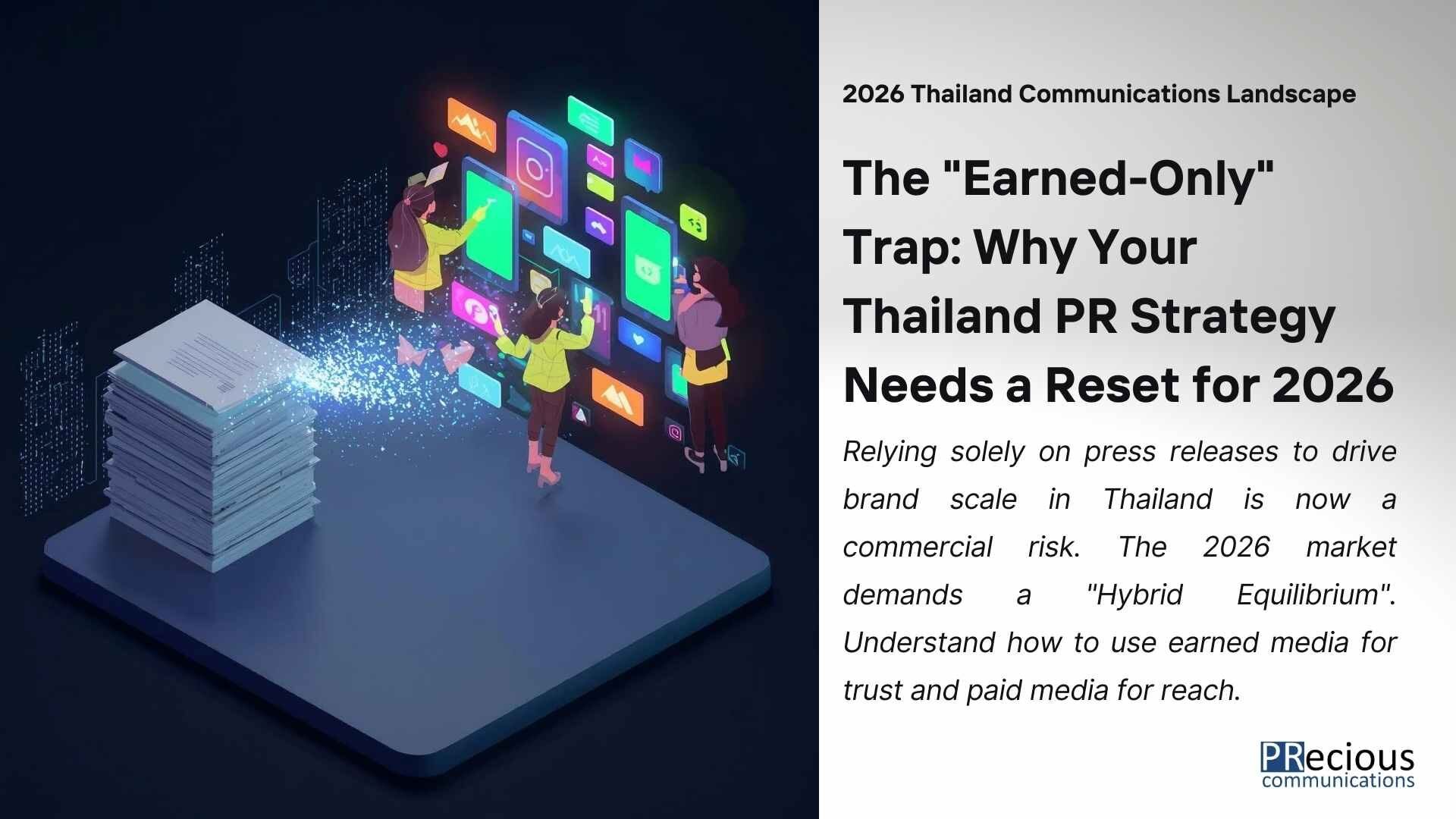
Future Standards for Media Relations
Publish initial research study and exclusive information that other sources will reference. You can likewise optimize your owned content by answering specific questions thoroughly with structure and scannable format. Founder-led branding develops around the idea that a business's story is greatest when informed by the individual who began it. They wish to know who's actually behind the brand name and what drives them.
When people hear straight from a creator, they feel a connection to business. Rivals might match your functions or prices, but Brands construct trust quicker since they put individuals first, showing the human component and innovative thinking behind company decisions. matters too as creators who become voices individuals really follow.
Then, turn that into short, multiple-use content for PR, socials, and interviews. Choose platforms tactically: for expert takes, Instagram or TikTok for behind-the-scenes, podcasts for longer discussions. Finally, make a strategy, batch the content, and set a couple of clear limits for what to share. PRLab's expert-tip: your creator so they sound natural but remain on message.
Do not require exposure if it's not their design, and if individual problems come up, be transparent early as it builds more trust than silence. The winning mix is creator authenticity with tactical instructions, not founder exposure without substance. Creativity is rebounding in PR because a lot material now feels robotic, hurried, or identical.
How Digital Marketing Influences AI Search Rankings
Brand names that invest in creativity grow their influence. Construct innovative practice into your everyday regular rather of saving it for quarterly brainstorms.
When briefing brand-new projects, difficulty every concept with non-traditional angles before settling on the safe route. PRLab's expert-tip: Use the "Creative First Filter" before approving any campaign. Ask 3 questions: First, does this concept need our particular brand voice and point of view, or could any competitor execute it? Second, does it make someone feel something unforeseen like surprise, pleasure, or interest? Third, would someone share it because it's truly intriguing, not even if it works or advertising? The best PR campaigns feel inescapable in hindsight but weren't obvious at the quick stage.
If you respond early, you can contain the issue before it escalates to major media. Brands that consistently respond immediately and transparently build long-lasting authority that pays off when things go wrong.
Next, prep basic, ready-to-go messages for typical concerns like information leakages or item problems so you're not rushing when something breaks. If you're developing your in the middle of a crisis, it's currently too late. Lastly, set a clear approval process with a go-to crisis team that can okay quick without a long email chain.
Navigating the Future of Search for Brands
Utilize a short, stable message like, "We're conscious of the scenario and investigating. Work with legal groups ahead of time to pre-approve safe language so you're not stuck waiting for clearance.
It means understanding PR is moving from spray-and-pray mass pitching to targeted, research-backed outreach that builds actual relationships. Journalist tiredness is genuine, and generic pitches claiming to be "personalized" make it worse.
When you pitch somebody who really covers your topic and reference their current work, you're much more most likely to get protection that drives awareness,, or. Trust has ended up being the currency in , and genuine hyperpersonalization is how you make it. To put this into practice, start by utilizing tools like Prowly or Filth Rack to learn what each journalist covers.
The Role of AI in 2026 Brand SuccessReference the journalist's recent work straight in the subject line or first line. Some reply to pitches at 6 AM, others after midnight, so utilize previous engagement patterns to time your message for presence.
Why Thought Leadership Drives Long-Term Authority
Customization just works if the material itself is relevant and newsworthy. Narrative intelligence suggests proactively developing. When someone asks ChatGPT or Google's AI Overviews about your market, these tools deliver one conclusive answer. If it's wrong or outdated,. That's why Track record Engine Optimization matters as it uses PR to, so your material should structure your brand name's story throughout trusted sources.
The brands winning here deal with AI presence like reputation insurance coverage: To use narrative intelligence, start by inspecting how AI tools describe your brand name and see what appears. Then, construct a strong existence by making media protection in reliable outlets and creating fact-based, easy-to-read material that AI can reference. Track how often your brand is discussed and how properly it's portrayed utilizing tools like Meltwater or Brandwatch, so you can change and strengthen your exposure before false information spreads.
Don't assume AI will self-correct inaccuracies, but focus on answering questions about your market with useful, substantive material that places your brand as the go-to source. PR success is now measured by organization effect, not vanity metrics.
Modern tools now make it possible to track how interaction efforts directly affect organization efficiency. When you can reveal a project driving $2 million in pipeline or securing brand name value throughout a crisis, PR makes the budget and trustworthiness it deserves. This type of proof changes how management views your group.

Latest Posts
Solving Indexation Challenges for Large San Diego Architectures
Smarter Browse Insights for Growing Nationwide Brands
Why Public Relations Drives ROI and Trust